
From the field visit to the donor report.
Beneficiaries, field visits, indicators, grants, donations and finance in one system built around your results framework. What a field officer records today counts in the donor report, so nobody rebuilds the numbers in Excel at quarter end.
- Modules
- 16
- Features
- 227
- Login
- 1
- Field data arrives weeks latePaper forms travel back from the field, someone types them up, and the mistakes come too.
- One person, counted three timesEach project keeps its own beneficiary list, so the totals never quite add up.
- Spend per grant is a guessPayments sit in the general ledger, not against each donor's budget lines.
- Reporting season eats a monthEvery donor wants a different format, so the team rebuilds the same numbers again.
Your programmes deserve better.
M&E, grants and donors. One login.
Sixteen modules on one database, so a household visit recorded in the field counts towards the right indicator, grant and donor report without anyone typing it twice. Click around the dashboard below to open each module, then start with the ones your next report needs.
Try it: open a module from the menu, click a record, filter the list, or press New project and save.
- Programmes
- People we serve
- Funding
- Operations
- Team
No records match.
New dashboard
No records match.
WASH programme · Code RCT-KE-WASH-02 · Siaya County, Kenya
- Goal
- Safe water and sanitation for 800 households
- Period
- Jul 2025 to Jun 2027, month 16 of 24
- Donor and grant
- Clean Water Fund, USD 420,000
- Sites
- Bondo, Ugunja and Alego Usonga, 42 schools
- Partner
- Siaya Water Action Group, sub-grant
- Project lead
- Otieno Ouma, WASH officer
- Indicators
- 6 tracked, 1 at risk: households with WASH
- Spend
- KES 33.1M of KES 54.2M, burn 61%
- Request PR-0187 for 6 water tanks approved, KES 486,000
- Indicator 2.3 flagged at risk: 412 of 800 households reached
- School tank handover at Bondo reported by Otieno Ouma with 4 photos
- Quarterly risk review: 2 risks rescored, borehole drilling delay added
- Project opened from the signed grant agreement
New project
No records match.
Indicator 1.1 · Output 1: girls enrolled and attending · Kisumu
- Definition
- Girls aged 10 to 17 enrolled and attending
- Unit and frequency
- Number of girls, reported each quarter
- Baseline
- 0, new cohort from January 2026
- Target
- 1,200 by December 2026
- Actual, Q3 2026
- 1,146, which is 96% of target
- Disaggregation
- Aged 10 to 13: 702, aged 14 to 17: 444
- Data sources
- School registers, termly attendance form
- Last verified
- 2 Oct 2026 by Faith Achieng
- Q3 value verified against 14 school registers, scans kept as evidence
- 86 enrolment forms from Kisumu approved and counted, total now 1,146
- Data quality check: 4 duplicate girls removed after an ID match
- Q2 closed at 842 against a target of 900, marked on track
- Indicator set up with a baseline of 0 and a target of 1,200
Add indicator
No records match.
Activity 2.1.3 · Output 2.1: CHVs trained in screening · Lodwar
- Planned date
- Wed 14 and Thu 15 Oct 2026
- Venue
- County health hall, Lodwar
- Participants
- 62 CHVs registered, 48 of them women
- Facilitators
- Peter Ekai and a county nutritionist
- Budget line
- 2.1 Training, KES 412,000
- Advance
- KES 186,000 approved, paid out on 12 Oct
- Counts towards
- Indicator 2.1, CHVs trained in MUAC
- Per diem advance of KES 186,000 approved by the Lodwar office manager
- 62 CHVs registered through the event link sent by SMS
- Venue and meals booked, quotes attached to the activity
- Activity planned in the Q4 workplan from output 2.1 of the logframe
New activity
No records match.
Household visit form v3.2 · HH-04417 · Girls in School
- Household
- HH-04417, Atieno household, 6 members
- Location
- Nyalenda B, Kisumu, GPS within 9 m
- Filled and sent
- 10:18 to 10:42, synced at 10:44
- Answers
- 48 of 48, 2 photos, consent signed
- Checks on the phone
- All passed, 1 warning on household income
- Reviewed by
- Ruth Mumbi, supervisor, at 11:05
- Counts towards
- Indicators 1.1 and 1.3, Girls in School
- Next visit
- Due 6 Nov 2026, Mercy Chebet
- Approved by Ruth Mumbi and counted towards indicators 1.1 and 1.3
- Synced from Mercy Chebet's phone with 2 photos and a signature
- Submitted offline at Nyalenda B, Kisumu
- Visit assigned to Mercy Chebet on her morning list
- Previous visit: school attendance confirmed, no follow-up needed
Assign visits
No records match.
Endline evaluation · Household questionnaire v2 · Siaya County
- Purpose
- Change since the July 2025 baseline
- Sample
- 600 households drawn at random by ward
- Enumerators
- 8, in Bondo, Ugunja and Alego Usonga
- Fieldwork
- 28 Sep to 16 Oct 2026, day 7 of 15
- Done so far
- 512 interviews, 11 refusals, 9 not found
- Back-checks
- 41 calls made, 2 answers to resolve
- Live result
- Safe water use 71%, baseline 38%
- Consent
- Read out and recorded on every interview
- 64 interviews synced from 8 enumerators, total now 512
- Back-check calls: 2 answers differ, returned to Brenda Akinyi
- Bondo quota of 200 interviews completed
- Fieldwork started with 8 enumerators and their household lists
- Sample of 600 drawn from the register and split by ward
New survey
No records match.
BEN-018422 · Household HH-04417 · Girl, 14, Grade 8
- Household
- HH-04417, 6 members, head: Rose Atieno
- Members
- Mother, grandmother and 4 children
- School
- Grade 8, Nyalenda Junior School
- Vulnerability score
- 68 of 100, priority group B
- Consent
- Data yes, photos yes, stories no
- Services in 2026
- 4 visits, 2 dignity kits, termly bursary
- Last visit
- 6 Oct 2026, Mercy Chebet, approved
- ID checks
- Birth certificate checked, no duplicates
- Household visit by Mercy Chebet approved: attending school, no concerns
- Term 3 bursary of KES 4,500 paid to the school
- Household visit: school attendance confirmed
- Dignity kit received at a school distribution, QR card scanned
- Enrolled in Girls in School, consent signed by Rose Atieno
Register household
No records match.
Child protection · Restricted file · Obunga, Kisumu
- Client
- Girl aged 12, name hidden on this file
- Opened
- 28 Sep 2026, from a household visit
- Risk level
- High, reviewed every week
- Case worker
- Janet Awino, Kisumu office
- Referred to
- Sub-county children's office, 30 Sep
- Case plan
- 3 goals agreed, 1 met
- Next follow-up
- Home visit today, 6 Oct
- Who can open it
- Janet Awino and Ruth Mumbi only
- Children's officer confirmed the referral was received
- Case plan signed off by supervisor Ruth Mumbi
- Referred to the sub-county children's office with a referral form
- Assessment done, risk rated high and a safety plan agreed
- Case opened from a household visit, file restricted
Open case
No records match.
Grant GR-2025-014 · Clean Water Fund · WASH Siaya
- Award
- USD 420,000, about KES 54.2M
- Period
- 1 Jul 2025 to 30 Jun 2027
- Tranches
- 3 of 4 received, USD 315,000
- Next tranche
- USD 105,000, after the Q3 report
- Reporting
- Quarterly, narrative and financial
- Donor rules
- 3 quotes above USD 1,000, logo on assets
- Donor contact
- Sarah Njeri, programme officer
- Partner sub-grant
- Siaya Water Action Group, USD 48,000
- Q3 report marked ready, due to the donor on 15 Oct
- Tranche 3 of USD 105,000 received at KES 129.10 to the dollar
- Q2 report accepted by the donor with 2 comments
- Amendment 1: two more wards added, award unchanged
- Agreement signed: USD 420,000 over 24 months
New grant
No records match.
GR-2025-014 · Clean Water Fund · Budget to 30 Sep 2026
- Budget
- KES 54.2M over 24 months
- Spent to date
- KES 33.1M, 61% at month 15 of 24
- Committed
- KES 4.6M in 3 open purchase orders
- Biggest line
- Borehole drilling, KES 18.4M, 72% spent
- Variance
- Training 18% under, travel 9% over
- Reallocations
- 1 approved, KES 650,000 to pump spares
- Exchange rate
- Tranches booked at the rate received
- Cost centre
- Siaya field office, CC-SIA-02
- 38 September payments coded to budget lines by Achieng Otieno
- Travel line flagged at 9% over budget, note sent to the project lead
- September closed, budget against actual shared with the donor team
- Reallocation of KES 650,000 from training to pump spares approved
- Budget of KES 54.2M loaded in 11 lines from the signed agreement
Code payments
No records match.
Individual donor since March 2024 · Nairobi · 6 gifts
- Gift
- KES 5,000 to School water tanks
- Received
- 6 Oct, 08:42, M-Pesa SJ6K2M8QRT
- Paybill account
- TANKS
- Donor phone
- 0712 *** 305
- Giving to date
- KES 23,500 in 6 gifts since 2024
- Consent
- SMS and email updates, given 2 Mar 2024
- Campaign total
- KES 1.86M of a KES 2.5M target
- Thank-you SMS and receipt RCP-26-0418 sent to Wanjiku Kariuki
- KES 5,000 received by M-Pesa and matched by phone number
- KES 3,000 given to Back to school
- Year-end giving summary emailed
- First gift of KES 2,000, consent to updates recorded
Record gift
No records match.
WASH Siaya · GR-2025-014 · Clean Water Fund template
- Grant
- WASH Siaya, GR-2025-014
- Period
- 1 Jul to 30 Sep 2026
- Due
- 15 Oct 2026, 9 days left
- Template
- Clean Water Fund quarterly, 6 sections
- Indicators
- 14 of 14 filled from live data
- Spend in period
- KES 7.9M, 96% of the quarter plan
- Attachments
- 12 photos, beneficiary list, bank letter
- Owner
- Mercy Atieno, grants officer
- Marked ready by Mercy Atieno after finance sign-off
- Financial annex signed off by Kevin Otieno, finance manager
- Results table filled from live data: 14 indicators
- Success story from Ugunja added with 3 consented photos
- Report opened from the Clean Water Fund template
New report
No records match.
WASH Siaya · Siaya field office · Raised 22 Sep 2026
- Item
- 6 water tanks, 10,000 litres each
- Requested by
- Otieno Ouma, WASH officer
- Budget line
- 2.4 School water storage, 64% spent
- Quotes
- 3 received, lowest KES 486,000
- Supplier
- Lakeview Plastics Ltd, Kisumu
- Donor rule
- 3 quotes above USD 1,000, met
- Approvals
- Project lead, finance, director
- Delivery
- To 6 schools in Ugunja by 20 Oct
- Approved by the country director, purchase order PO-0412 raised
- Finance confirmed the budget is available on line 2.4
- Bid analysis signed, lowest of 3 quotes chosen
- Requests for quotation sent to 4 suppliers
- Request raised by Otieno Ouma for 6 tanks
New request
No records match.
Toyota Land Cruiser 2021 · Lodwar office · Asset AS-0058
- Bought with
- Nutrition Turkana grant, KES 7.8M
- Donor rule
- Logo on doors, ownership passes at close
- Odometer
- 84,210 km, service due at 85,000
- Last service
- 12 Jun 2026 at 75,000 km
- Insurance
- Comprehensive, renews 31 Jan 2027
- Fuel this month
- 248 litres, KES 46,500
- Driver
- Joseph Lokwang, licence checked Aug 2026
- Trip logged: Lodwar to Kalokol and back, 146 km
- Fuel 62 litres, KES 11,656, receipt photo attached
- Service reminder: 790 km to the 85,000 km service
- Service at 75,000 km, KES 64,300 charged to Nutrition Turkana
- Bought and tagged AS-0058, logo fitted on both doors
Add asset
No records match.
Nutrition Turkana · 14 to 16 Oct 2026 · Lodwar
- Grant
- Nutrition Turkana, line 3.1 Training
- Dates
- 14 to 16 Oct 2026, 3 days
- Venue
- Lodwar Community Hall, booked
- Registered
- 62 CHVs from 9 health facilities
- Per diem
- KES 1,500 a day by M-Pesa, after check-in
- Budget
- KES 412,000, 18% spent on the venue
- Facilitators
- Mary Akai and 2 county nurses
- Certificates
- After 3 days present and a short test
- Registration closed at 62 of 65 places
- Venue deposit of KES 75,000 paid on PO-0409
- Invitations sent by SMS to 65 CHVs with a sign-up link
- Event and budget approved by the programme manager
- Event created from the CHV refresher template
New event
No records match.
Staff no. RCT-021 · Nairobi office · Joined March 2022
- Role
- Monitoring and evaluation manager
- Reports to
- Programme director
- Funded by
- WASH 30%, Nutrition 30%, Youth 20%, core 20%
- Contract
- Permanent, reviewed each July
- Leave balance
- 14 of 24 days left this year
- Timesheet
- September approved, 168 hours
- Payroll
- Paid 30 Sep, PAYE, SHA, NSSF, Housing Levy
- Phone
- 0722 *** 614
- September timesheet approved: 168 hours split over 4 grants
- September salary paid, payslip sent by email
- 3 days of leave approved, 14 days left
- Annual review done, salary adjusted from 1 July
- Joined as M&E manager on a permanent contract
Add staff
No records match.
Volunteer no. V-0412 · Drought Cash Garissa · Since Jan 2025
- Role
- Health promoter, 4 villages
- Supervisor
- Fatuma Hassan, field coordinator
- Hours, September
- 46, approved 2 Oct
- Stipend
- KES 3,000 a month by M-Pesa
- Last paid
- 3 Oct, M-Pesa SK3P7R2TYV
- Training
- First aid and safeguarding, Mar 2026
- Code of conduct
- Signed 14 Jan 2025
- Phone
- 0723 *** 902
- September stipend of KES 3,000 paid by M-Pesa in batch B-0927
- 46 hours for September approved by Fatuma Hassan
- Hours logged from the field app: 22 household visits
- Safeguarding and first aid training completed, certificate issued
- Joined, code of conduct signed, consent recorded
Add volunteer
Dashboard
Reach, indicators, grant spend and reports due across every project: the first screen the M&E team sees each morning.
Projects & programmes
Every programme and project with its sites, partners, donors, team and timeline on one page.
- Programme and project structureProgrammes hold projects, projects hold sites and activities, so results roll up from a village to the country.
- Project profile pageGoal, dates, donors, budget, team, sites and documents on one page, with tabs for results, spend and risks.
- Sites and catchment areasKenyan counties, sub-counties and wards, Zambian districts and villages, set per project with GPS points.
- Implementing partnersPartner organisations per project, with their sub-grants, contacts, reporting dates and the areas they cover.
- Proposal and logframe documentsProposal, logframe, theory of change and agreements stored with the project and versioned when they change.
- Milestones and calendarStart-up, baseline, mid-term review and close-out dates with owners and reminders before each one.
- Risk registerRisks scored by likelihood and impact, each with an owner and a mitigation, reviewed every quarter.
- Programme dashboardReach, indicator progress, spend and open issues for every project, side by side on one screen.
- Cross-cutting tagsTag projects by theme, such as gender, climate or disability, and report across all of them at once.
- Close-out checklistFinal report, asset handover, file archive and partner sign-off ticked off before a project is closed.
- Country and field officesProjects grouped by country, region and field office, each office with its own approvers, users and reports.
- Compliance calendarAnnual returns, audits, tax exemption and work permit renewals per country, with the evidence filed against each.
Results & indicators
Your logframe in the system: outcomes, outputs and indicators, with targets against actuals as data comes in.
- Logframe builderGoal, outcomes, outputs and activities set up once per project, each linked to the indicators that measure it.
- Indicator reference sheetsDefinition, unit, data source, frequency, baseline and calculation method stored with every indicator.
- Targets by period and placeTargets set by quarter, year, county or district, and by sex and age group where the donor asks for it.
- Actuals straight from field dataApproved form submissions count towards the right indicator as soon as a supervisor approves them.
- DisaggregationResults split by sex, age band, disability, location and any other breakdown your donors need.
- Unique countingPeople reached are counted once per indicator and period, even when they attend several activities.
- On track, behind or at riskStatus worked out from progress against target and time elapsed, so problems show early.
- One indicator, several donorsOne indicator can feed several donor frameworks, each with its own wording and targets.
- Partner data submissionsPartners and field offices submit their figures each period on a set form; M&E validates, queries or returns each one.
- Action plans when at riskAn indicator marked at risk asks its owner for an action plan with steps and dates, reviewed at the next period.
- Data quality checksOutliers, missing values and figures far above target flagged for review before they reach a report.
- Evidence behind each figureAttendance sheets, photos and verification notes linked to each reported number, ready for an audit.
Activities & workplans
Annual and quarterly workplans broken into activities, with owners, budgets, dates and progress.
- Annual and quarterly workplansActivities planned per quarter from the logframe, with an owner, site, budget line and expected output.
- Timeline and calendar viewsSee the year as a timeline or the month as a calendar, filtered by project, county or officer.
- Activity reportsOfficers record what happened, who came and what it cost, with photos and attendance sheets attached.
- Planned against doneEach activity shows planned and actual dates, people reached and spend, so slippage is easy to see.
- Linked to indicatorsAttendance and outputs from an activity count straight into the indicators it was planned for.
- Linked to budget linesEvery activity draws on a budget line, so its cost shows up in the grant's burn rate.
- Activity advancesRequest a cash or M-Pesa advance for an activity, then account for it with receipts afterwards.
- Overdue alertsOwners and managers get a reminder when an activity passes its date without a report.
- Weekly team plansField teams see this week's activities on the app, and managers move them when plans change.
- Evidence before closingAn activity closes only when its report has the attendance sheet, photos and receipts attached and a manager approves it.
- Partner workplansPartners plan and report their own activities in the same workplan, so your programme staff see one picture.
Field data collection
Mobile forms that work offline, with GPS, photos and supervisor review before a record counts.
- Form builderBuild forms from your own data tools: skip logic, required fields, choice lists, repeat groups and calculations.
- Works offlineForms and visit lists are saved on the phone, and submissions sync when the signal returns.
- GPS, photos and signaturesLocation, photos, a signature or thumbprint for consent, and the time, captured with every visit.
- Lookups from the registerOfficers pick an existing household from the register instead of typing it again, so records link up.
- Checks on the phoneRanges, formats and ID numbers checked as the officer types, so obvious errors never leave the field.
- Supervisor review queueSubmissions wait for a supervisor to approve, return with a comment or reject before they count.
- Form versionsChange a form without breaking old data. Each submission keeps the version it was filled on.
- Visit assignmentsSupervisors assign households, schools or water points to officers, who see their list each morning.
- Sync monitorSee when each phone last synced, what is still waiting and which officer has not sent data for days.
- Forms in local languagesQuestions in English, Kiswahili, Nyanja, Bemba or any language you translate them into, switched on the phone.
- Runs on entry-level phonesWorks on the low-cost Android phones field teams already carry, on small data bundles.
- Data protected on the phoneRecords on the phone are encrypted and cleared after sync, and a lost phone can be signed out from the office.
Surveys & feedback
Baselines, endlines, assessments, SMS polls and community feedback, with samples and results in one place.
- Baseline, midline and endlineRun the same questionnaire at each stage and compare the results side by side for the evaluation.
- Sampling from the registerDraw a random sample of households by area, sex or programme, and assign it to enumerators.
- Enumerator managementEnumerators, their areas, daily quotas and completed interviews, with back-check calls on a share of them.
- Post-distribution monitoringFollow-up checks after cash or food distributions, linked to the household that received them.
- SMS and USSD pollsShort polls to beneficiaries or volunteers by SMS or USSD, for people without smartphones or data.
- Community feedback lineFeedback and complaints by SMS, phone or form, logged, assigned to a staff member and closed with a reply.
- Scores worked out for youFood consumption, dietary diversity and similar scores calculated from the answers as interviews arrive.
- Live resultsCharts and cross-tabs for every question, filtered by area, sex or age, while the survey is still in the field.
- Export for analysisClean data out to Excel, CSV, SPSS or Stata with a codebook, for your evaluator or researcher.
- Consent before the first questionThe consent script is read and recorded before the interview opens, and a refusal is logged and closes it.
- Findings back to communitiesShort summaries of results sent by SMS or shared at community meetings, so people see what their answers changed.
Beneficiaries & households
One record per person and household, with every service, visit and referral across all your projects.
- Household and individual recordsHouseholds with their members, ages, relationships and vulnerability details, each person with a unique ID.
- One register for every projectA person served by two projects has one record, so totals add up and services can be seen together.
- Duplicate checksPossible duplicates caught by Kenyan ID, Zambian NRC, phone and name before a new record is saved.
- Eligibility rulesCriteria per programme, such as age, income or vulnerability score, checked when someone is enrolled.
- Enrolment and exitEnrol people into programmes, record graduation or exit with a reason, and keep the full history.
- Service historyEvery visit, distribution, training and payment a person received, in date order on their profile.
- Consent recordsConsent for data, photos and stories recorded per person, with the date, method and who took it.
- Vulnerability scoringScores from household questions put the most vulnerable households at the top of visit lists.
- Cash transfer listsPayment lists drawn from enrolled households, approved, then paid by M-Pesa, Airtel Money or MTN MoMo.
- Household mapEnrolled households on a map by programme or status, from GPS points taken on visits.
- Cards with QR codesBeneficiary cards with a QR code; a scan at a distribution opens the record and logs what was handed over.
- Data protection requestsRequests to see, correct or delete personal data logged and answered, as the Kenyan and Zambian data laws require.
Cases & referrals
Case plans, follow-ups and referrals, with sensitive notes open only to the people who need them.
- Case intake and assessmentOpen a case from a visit or a hotline call, with an assessment form, a risk level and a case worker.
- Case plans and goalsGoals, actions and dates agreed with the client, reviewed at each follow-up until the case closes.
- Follow-up schedulingNext visit dates set per case, with reminders to the case worker and a list of what is overdue.
- Referrals to partnersRefer to a clinic, school, police gender desk or legal aid, and record whether the client was received.
- Referral directoryPartner services by area, with contacts, opening hours and who they accept, kept up to date.
- Restricted case filesSensitive cases, such as GBV or child protection, open only to named case workers and supervisors.
- Supervision and case reviewSupervisors review caseloads, sign off case plans and reassign cases when staff move on.
- Closure with a reasonCases closed as resolved, transferred or lost to follow-up, with the reason recorded.
- Caseload dashboardOpen cases per worker, overdue follow-ups and referral completion rate by area.
- Safeguarding reportsConcerns about staff or volunteer conduct reported online or by phone, seen only by the safeguarding lead, every step logged.
- Access log on every fileEvery view and change to a case file recorded with the user and the time, for supervisors and audits.
Grants & donors
Every grant from proposal to close-out: agreements, conditions, tranches, deadlines and donor contacts.
- Proposal pipelineConcept notes and proposals tracked from idea to submitted to awarded or declined, with values and dates.
- Grant agreementsAward amount, currency, period, conditions and reporting schedule recorded from the signed agreement.
- Tranches and receiptsExpected and received tranches per grant, with the exchange rate used when USD funds arrive.
- Donor profilesContacts, interests, history and every grant and report for each institutional donor.
- Deadlines and deliverablesReports, audits and deliverables per grant, with reminders to the owner 30, 14 and 7 days before.
- Donor rules per grantEach donor's rules on procurement, eligible costs and branding listed per grant and checked at approval.
- Sub-grants to partnersSub-awards to local partners with their budgets, advances, reports and accountability tracked.
- Amendments and extensionsChanged dates, budgets and targets saved as a new version, with the original kept.
- Co-funding and matchShared costs and match funding tracked across donors, so no cost is charged twice.
- Funding gap viewCommitted funding against the planned budget per programme and year, so fundraising targets are clear.
- Due diligence packRegistration, audited accounts, policies and board list kept current, so a donor's due diligence request takes minutes.
Budgets & burn rate
Grant budgets by line, every payment coded to them, and burn rate alerts before a donor spots a problem.
- Budgets in the donor's formatBudget lines, categories and notes set up exactly as in the signed budget, in the grant's currency.
- Payments coded to budget linesEvery payment voucher carries a grant, budget line, project and cost centre before it can be approved.
- Budget against actualSpend per line, per quarter and to date, with the variance in amount and percentage.
- Burn rateSpend compared with time elapsed, so fast and slow grants show up months before they close.
- Variance alertsLines that go over or under by more than the donor allows trigger an alert and ask for a note.
- Shared cost allocationRent, utilities and admin salaries split across grants by an agreed rule, posted every month.
- Multi-currency budgetsBudgets in USD, KES or ZMW, with spend converted at the tranche rate or monthly rate, as each donor asks.
- CommitmentsApproved purchase orders and advances shown as committed, so the available balance is what is really left.
- Reallocation requestsMoves between lines requested, approved and recorded, with the donor's approval letter attached.
- Accounting exportsCoded payments and journals exported to QuickBooks, Sage or Zoho Books with the grant codes intact.
- Cash forecastExpected tranches and planned spend by month, so the finance team sees a cash gap coming.
Donations & M-Pesa
Individual and company giving by M-Pesa, card and bank, with receipts sent at once and donors kept close.
- M-Pesa STK push and paybillDonors give from a campaign page or by paybill with an account code, and the gift lands on the right campaign.
- Card and bank givingCard payments through your chosen gateway, and bank transfers recorded against the donor.
- Monthly givingRecurring gifts with a reminder before each due date and a follow-up when a payment fails.
- Receipts by SMS and emailEvery gift gets an instant thank-you receipt, plus a yearly statement for donors who ask.
- Campaign pagesCampaign pages with a target, a live total and updates, each with its own paybill account code.
- Donor recordsEvery individual and company donor with gifts, pledges, notes, preferences and contact history.
- PledgesPledges made at events or by phone tracked until they are paid, with polite reminders.
- Company partners and matched givingCompany gifts, staff giving and matched amounts tracked per partner.
- Restricted and unrestricted fundsGifts marked for a campaign or project stay restricted, and the books show the split.
- Lapsed donor listsDonors who stopped giving listed for a call or SMS, with the date and size of their last gift.
Donor reports
Narrative and financial reports in each donor's template, filled from the same data so every number agrees.
- Templates per donorEach donor's narrative and financial template set up once, with its sections, tables and indicators.
- Tables filled from live dataResults, reach, disaggregation and spend tables filled from the system for the reporting period.
- Indicator tracking tableThe indicator performance tracking table most donors ask for, generated for any project and period.
- Sections with ownersNarrative sections assigned to programme staff, with due dates and a view of what is still missing.
- Review and sign-offDrafts move from writer to M&E to finance to the director, with comments at each step.
- Financial reports from the booksBudget against actual in the donor's format and currency, matching the ledger to the shilling.
- Stories and photos libraryCase stories and photos with consent, tagged by project, ready to drop into a report.
- Report calendarEvery report due across all donors on one calendar, with reminders to each section owner.
- Word, Excel and PDF exportFinal packs exported in the format each donor asks for, with your logo and their layout.
- Shared donor dashboardsGive a donor a live link to their project's reach and results instead of a monthly attachment.
- Submission archiveEvery submitted report kept with the date sent, the version and any donor feedback.
Procurement & approvals
Requests, quotes, purchase orders and payments, approved in the order your policy and donors require.
- Purchase requestsStaff raise a request against a project and budget line, and the system checks the money is there.
- Approval routes by amountRoutes set by value, grant and office, such as the manager up to KES 50,000 and the director above.
- Quotes and tendersQuotes compared side by side, with the threshold for three quotes or a tender set per donor rule.
- Supplier registerApproved suppliers with KRA PIN or Zambian TPIN, bank details, documents and past performance.
- Local purchase ordersLPOs created from the approved quote, emailed to the supplier and tracked to delivery.
- Goods received notesDeliveries checked against the LPO, with part deliveries and returns recorded.
- Payment vouchersVouchers raised from the GRN and invoice, coded to grant and budget line, then approved for payment.
- Approve from a phoneApprovers get an email or SMS link and approve, or return with a comment, from their phone.
- Conflict of interest declarationsCommittee members declare interests for each tender, kept with the procurement file.
- One file per purchaseRequest, quotes, minutes, LPO, GRN and voucher kept together for auditors.
Assets & vehicles
Every asset bought with donor money, where it is and who holds it, plus vehicle trips, fuel and servicing.
- Asset register by grantEach asset tagged with the grant that bought it, its cost, date, location and custodian.
- Tags and QR codesPrint asset tags with QR codes and check items with a phone during a spot count.
- Issue and returnLaptops, phones and tablets issued to staff with a signed handover, and returned when they leave.
- Vehicle logbookTrips with driver, purpose, project and mileage, so transport costs go to the right grant.
- Fuel recordsFuel per vehicle and motorbike, with cost per kilometre and unusual use flagged.
- Service and insurance remindersServices by mileage or date, plus insurance and inspection renewals, with reminders to the fleet officer.
- DepreciationMonthly depreciation by asset class, posted to the books and shown per grant.
- Disposal and handoverAssets handed to partners or the community at close-out, with the donor's approval kept.
- Annual asset countYearly count by office, with missing or damaged items reported and followed up.
Events & trainings
Workshops, trainings and community events with registration, attendance, per diems and certificates.
- Event setupDates, venue, facilitators, budget line and the indicators the event counts towards.
- Online registrationRegistration links, with fees where needed, shared by SMS, email or WhatsApp.
- Check-in by QR or registerCheck people in by QR code at the door, or tick a printed register that is entered later.
- Attendance counted to indicatorsEach participant counts once towards the right indicator, split by sex and age.
- Per diems and transport refundsAllowances worked out per participant and paid by M-Pesa in one batch, with signed lists.
- Pre and post testsKnowledge tests before and after a training, with scores per participant and the average gain.
- CertificatesCertificates generated with each participant's name and sent by email or SMS link.
- Session evaluationsShort feedback forms after each session, summarised for the facilitator and the report.
- Logistics checklistVenue booking, meals, materials and travel tracked against the event budget.
Staff, leave & payroll
Staff records, contracts, leave, timesheets and payroll, with time charged to the grants that pay for it.
- Staff records and contractsPersonal details, contracts, job descriptions and documents, with reminders before a contract ends.
- Leave requests and balancesAnnual, sick, maternity and compassionate leave requested on a phone and approved by the line manager.
- Timesheets by grantStaff record time per project each month, so salaries are charged to grants the way donors require.
- Salary split across grantsEach salary split across grants by agreed percentages, adjusted from approved timesheets.
- Kenyan payrollPAYE, SHIF, NSSF and Housing Levy worked out every month, with payslips and bank or M-Pesa payment files.
- Zambian payrollPAYE, NAPSA and NHIMA deductions for Lusaka and Chipata staff, paid in ZMW.
- Payslips and P9 formsPayslips by email or self-service, and year-end P9 forms for staff in Kenya.
- Probation and appraisalsProbation reviews, annual appraisals and objectives, with reminders to managers.
- Staff self-serviceStaff see their payslips, leave balance and documents, and send changes to their details for approval.
- Travel and per diem claimsTravel requests, per diem rates by location and claims paid after approval.
- Safeguarding sign-offStaff sign the safeguarding code and key policies each year, and the system shows who has not.
Volunteers & members
Volunteers, community health promoters and members, with skills, hours, stipends, dues and chapters.
- Volunteer profilesSkills, languages, areas, availability, training history and documents for every volunteer.
- Recruitment and vettingApplications, interviews, references and police clearance tracked before anyone starts.
- RostersVolunteers assigned to activities and sites, with an SMS reminder the day before.
- Hours loggedHours logged by volunteers on their phones or by supervisors, and reported as in-kind support.
- Stipends by M-PesaMonthly stipends for community volunteers worked out from their activity and paid in one M-Pesa batch.
- Membership and duesMembers, membership types and annual dues paid by M-Pesa, with renewal reminders.
- Chapters and networksRegional chapters with their own leaders, members and activities, rolled up to the national view.
- Group messagesSMS, email or WhatsApp to any group: a chapter, a skill, a site or everyone with dues unpaid.
- Service certificatesCertificates and recognition for volunteers who reach an hours milestone.
Want this for your programmes? Let us build yours.
We walk you through it on a call, map how your organisation works, and send a fixed-scope proposal in writing.
Custom built, not off the shelf. Every system we build is made to fit the client's needs: the modules, screens, wording and reports follow how your organisation works. The business, names and figures in this demo are examples.
Counted in the field, even offline.
Mobile forms that work offline, with GPS, photos and supervisor review before a record counts.
- Form builder
- Works offline
- GPS, photos and signatures
Indicators that update themselves.
Your logframe in the system: outcomes, outputs and indicators, with targets against actuals as data comes in.
- Logframe builder
- Indicator reference sheets
- Targets by period and place
Every grant, spent as planned.
Grant budgets by line, every payment coded to them, and burn rate alerts before a donor spots a problem.
- Budgets in the donor's format
- Payments coded to budget lines
- Budget against actual
One visit, counted all the way up.
What a field officer records in a village reaches the indicator, the grant and the donor report through one system, checked once and never typed again.
-
01
Visit
An officer visits a household and fills the form on the phone, with or without signal.
-
02
Sync
The form syncs when the phone finds a network, with GPS, photos and consent attached.
-
03
Review
A supervisor checks it against the register, then approves it or returns it with a comment.
-
04
Count
Approved data counts towards the right indicators, split by sex, age and place.
-
05
Cost
The activity's spend is coded to its grant and budget line, so results sit next to the money.
-
06
Report
The donor report fills its tables from the same data, then goes through review and sign-off.
From the field to the board.
Field officers work from a phone app that keeps going without signal. Programme managers watch indicators move as forms sync, and donors and the board get a live dashboard instead of a forty-page attachment.
For field teams, programme managers & m&e and donors & board.
Wired into how NGOs work here.
Donations by STK push and paybill, plus bulk payouts for stipends, cash transfers and volunteer allowances.
Reminders, surveys and alerts by SMS, and USSD menus for people without smartphones or data.
Forms save on the phone and sync when signal returns, so visits in remote areas still count.
Consent recorded per person, sensitive fields locked by role, and every view of a record logged.
Kenyan and Zambian programmes in one system, with budgets in KES and ZMW. We have a studio in Lusaka too.
Exports for QuickBooks, Sage or Zoho Books, and audit packs your auditors can open.
Choose a connection to see what it does.
Built for NGOs and live.
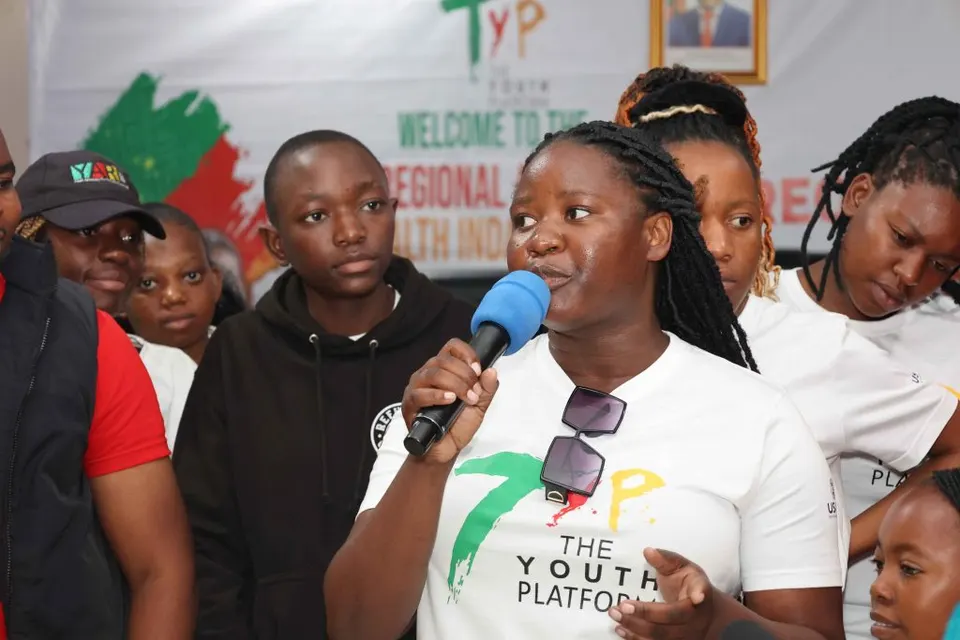
We run an NGO management system for a client today. Health Financing CoP tracks health budgets across 22 African countries on a platform we built, and The Youth Platform runs its members portal with us. #MyLittleBigThing, Nuggets of Life, WellBoring Groundwater and CITAM+ Zambia are live on platforms we built and host, and we built the Project Concern Zambia website.
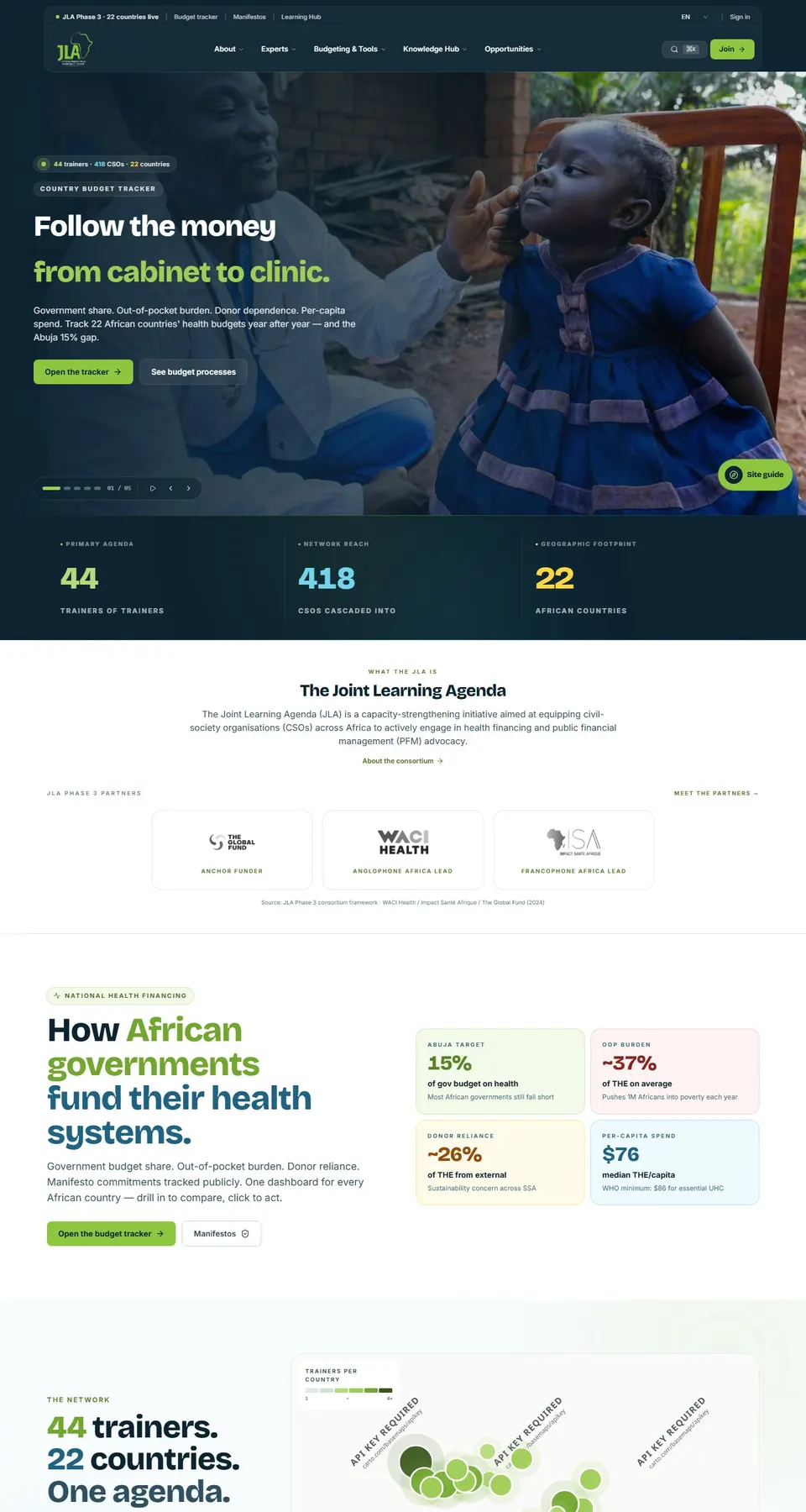 Health Financing CoPData platform
Health budget tracker for 22 African countries, with a learning hub for civil society.
healthfinancingcop.africa
Health Financing CoPData platform
Health budget tracker for 22 African countries, with a learning hub for civil society.
healthfinancingcop.africa
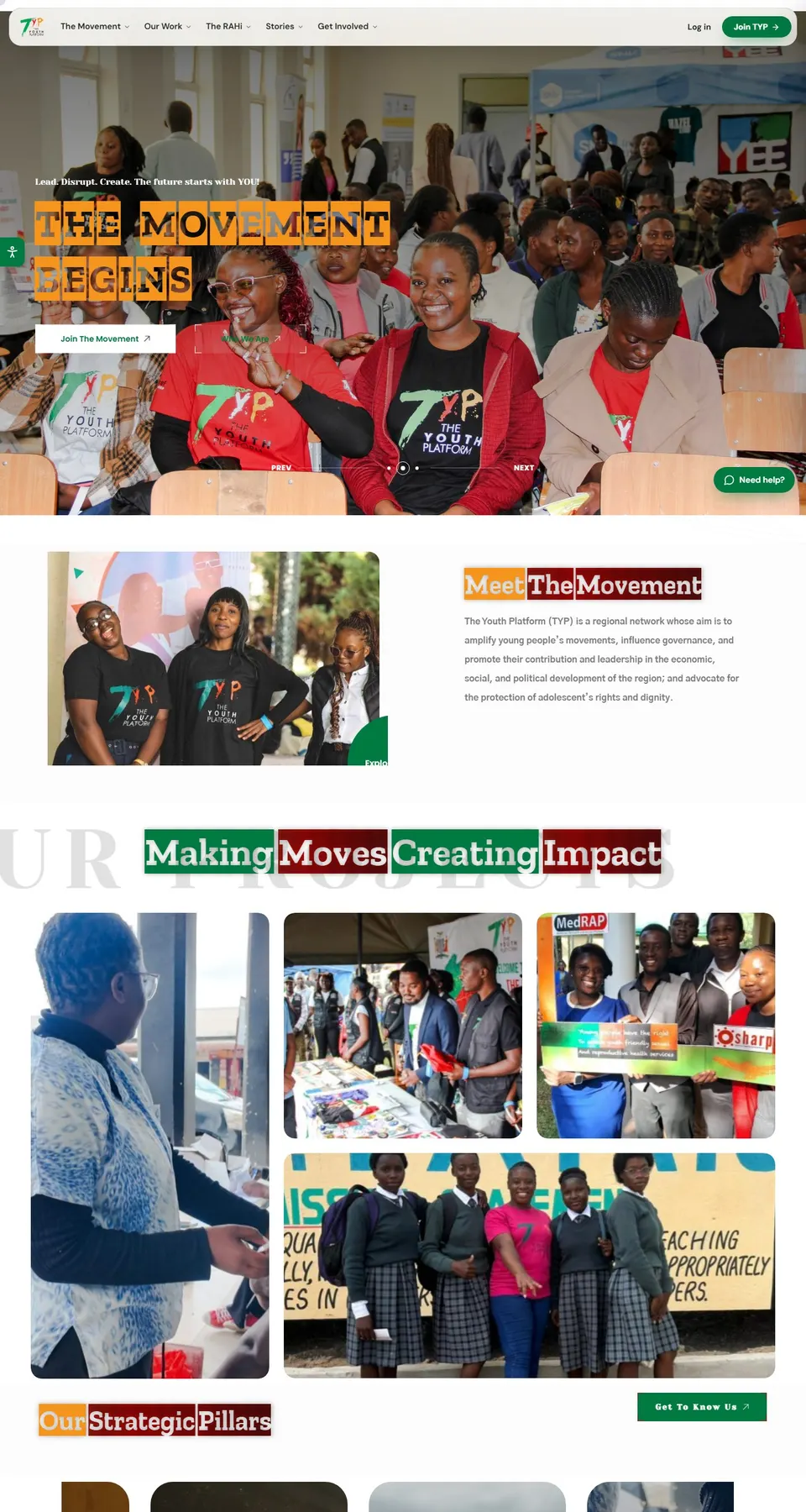 The Youth PlatformNetwork platform
A regional youth network's site, projects and members portal.
theyouthplatform.org
The Youth PlatformNetwork platform
A regional youth network's site, projects and members portal.
theyouthplatform.org
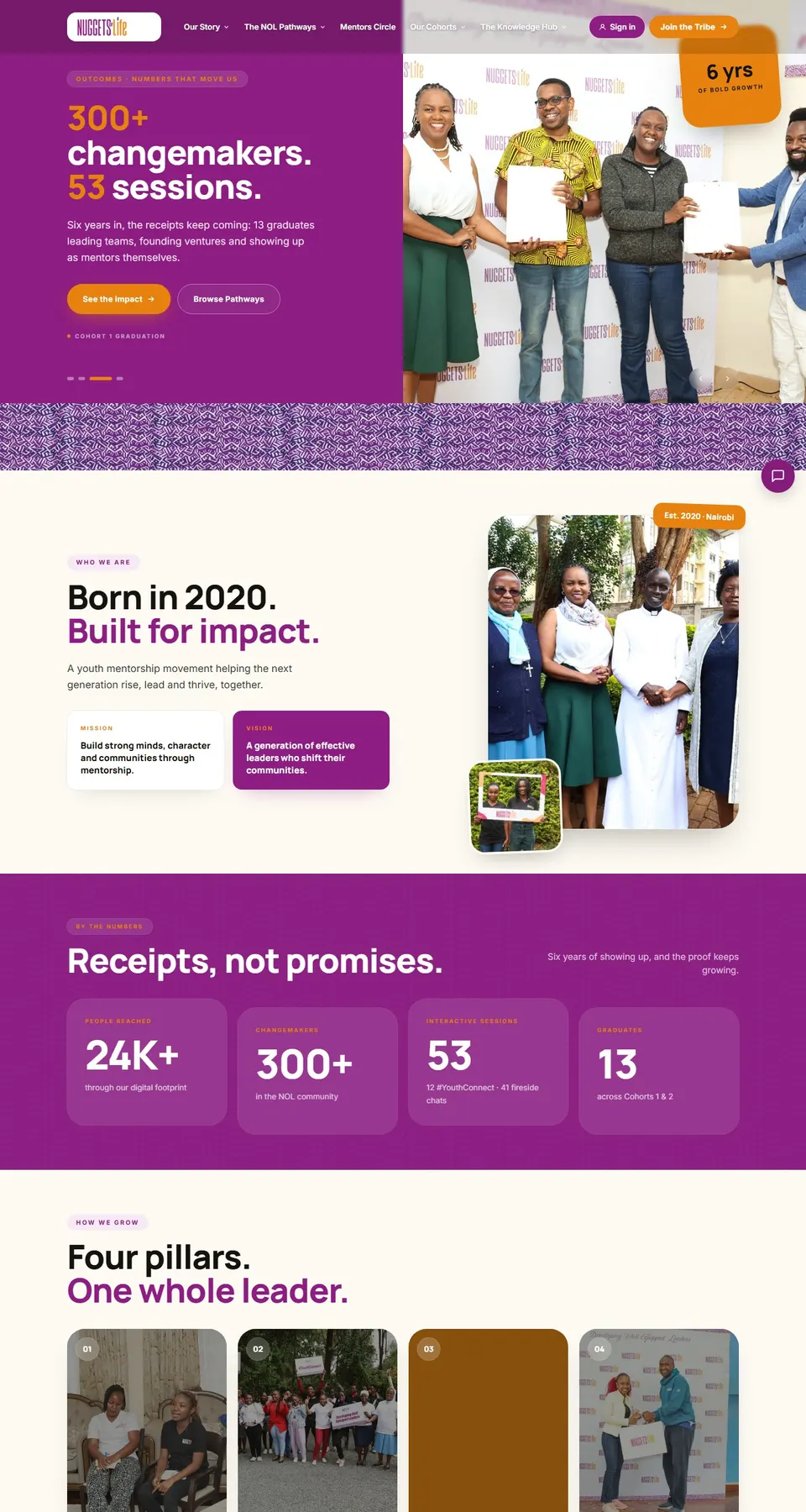 Nuggets of LifeCommunity site
Youth mentorship and leadership community: sessions, stories and sign-ups.
nuggetsoflife.org
Nuggets of LifeCommunity site
Youth mentorship and leadership community: sessions, stories and sign-ups.
nuggetsoflife.org
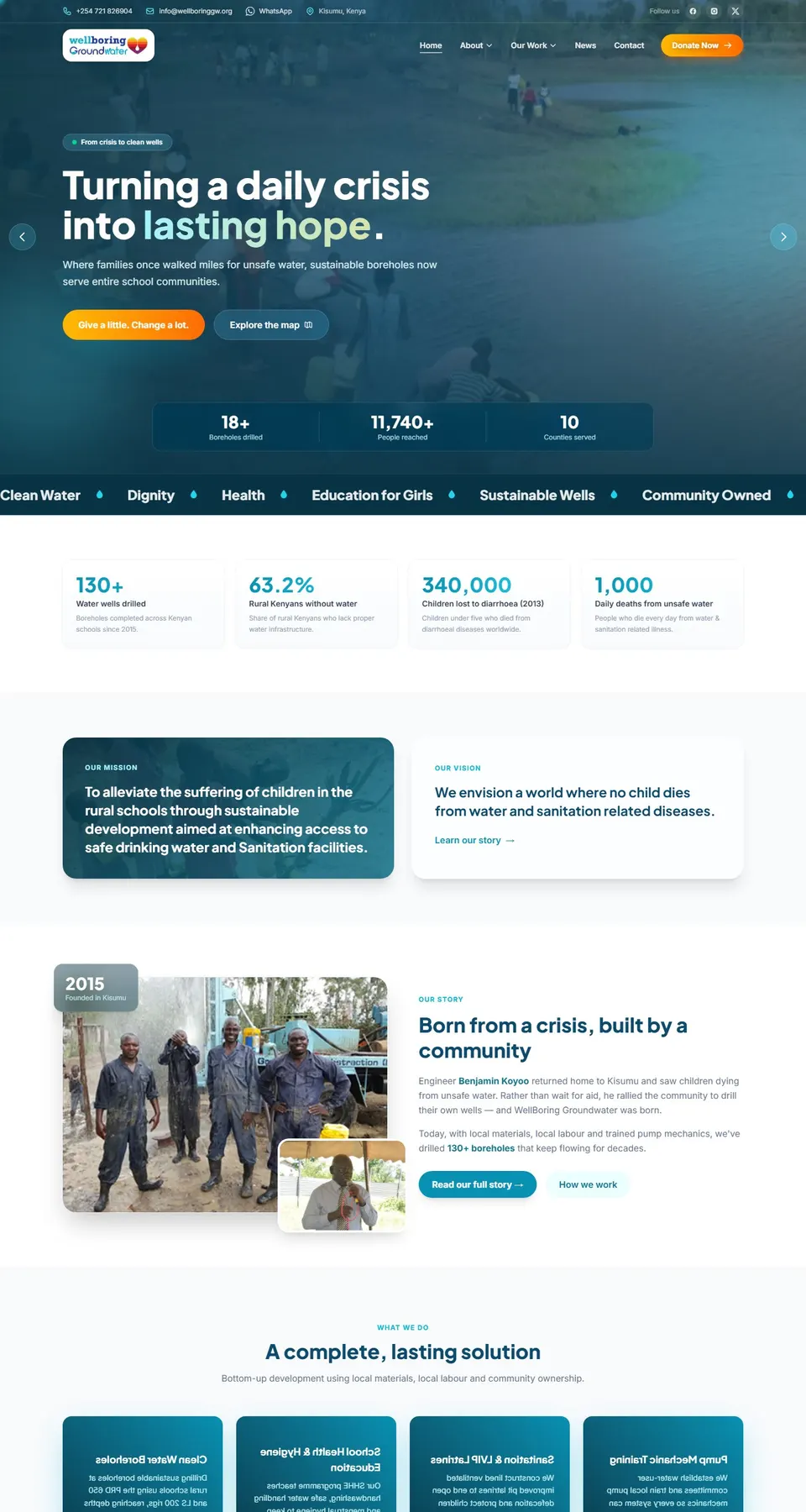 WellBoring GroundwaterGiving site
Safe water and sanitation for rural schools, with giving built in.
wellboringgw.org
WellBoring GroundwaterGiving site
Safe water and sanitation for rural schools, with giving built in.
wellboringgw.org
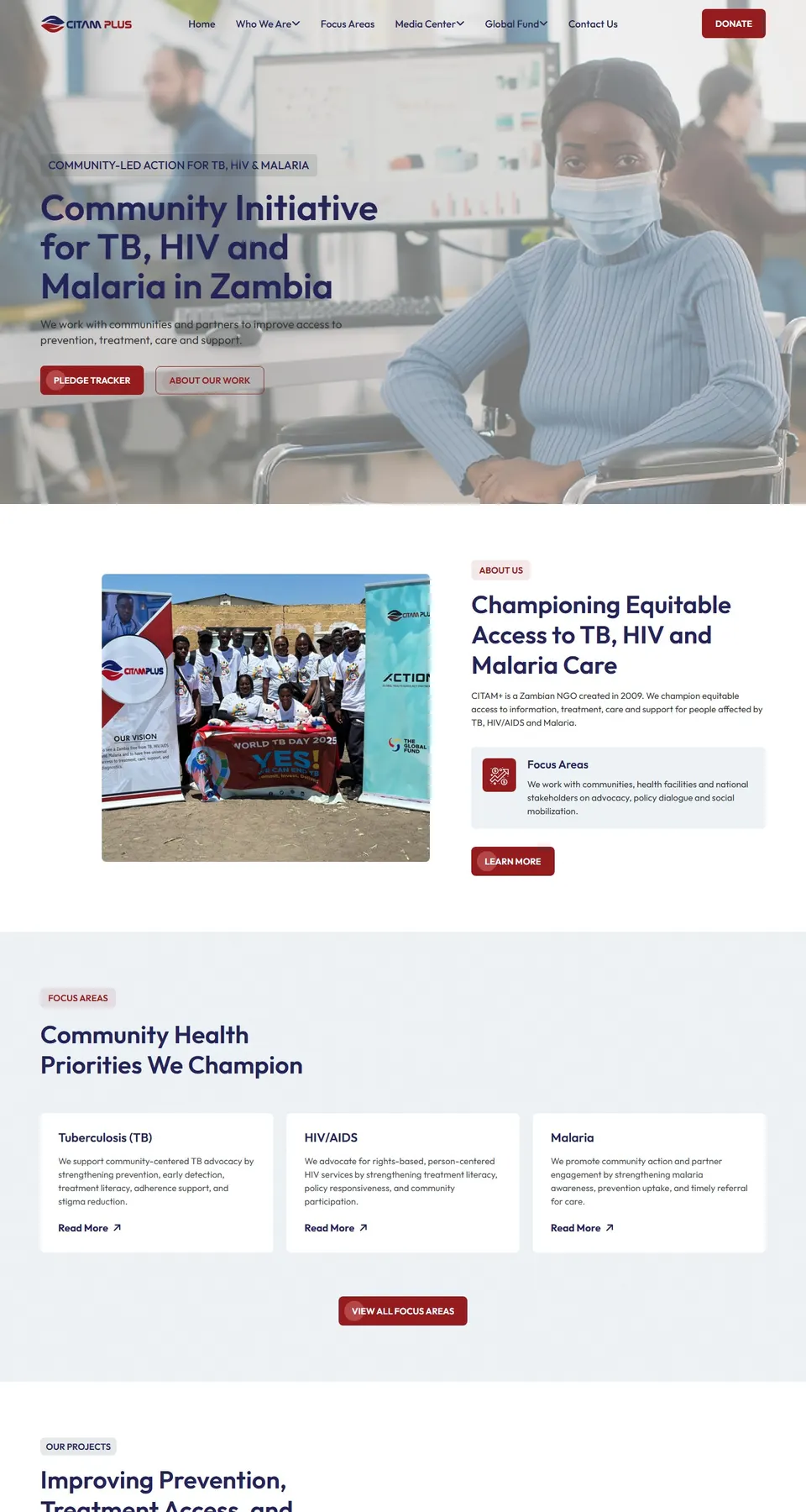 CITAM+ ZambiaProgramme site
Community initiative for TB, HIV and malaria care in Zambia.
citamplus.org
CITAM+ ZambiaProgramme site
Community initiative for TB, HIV and malaria care in Zambia.
citamplus.org
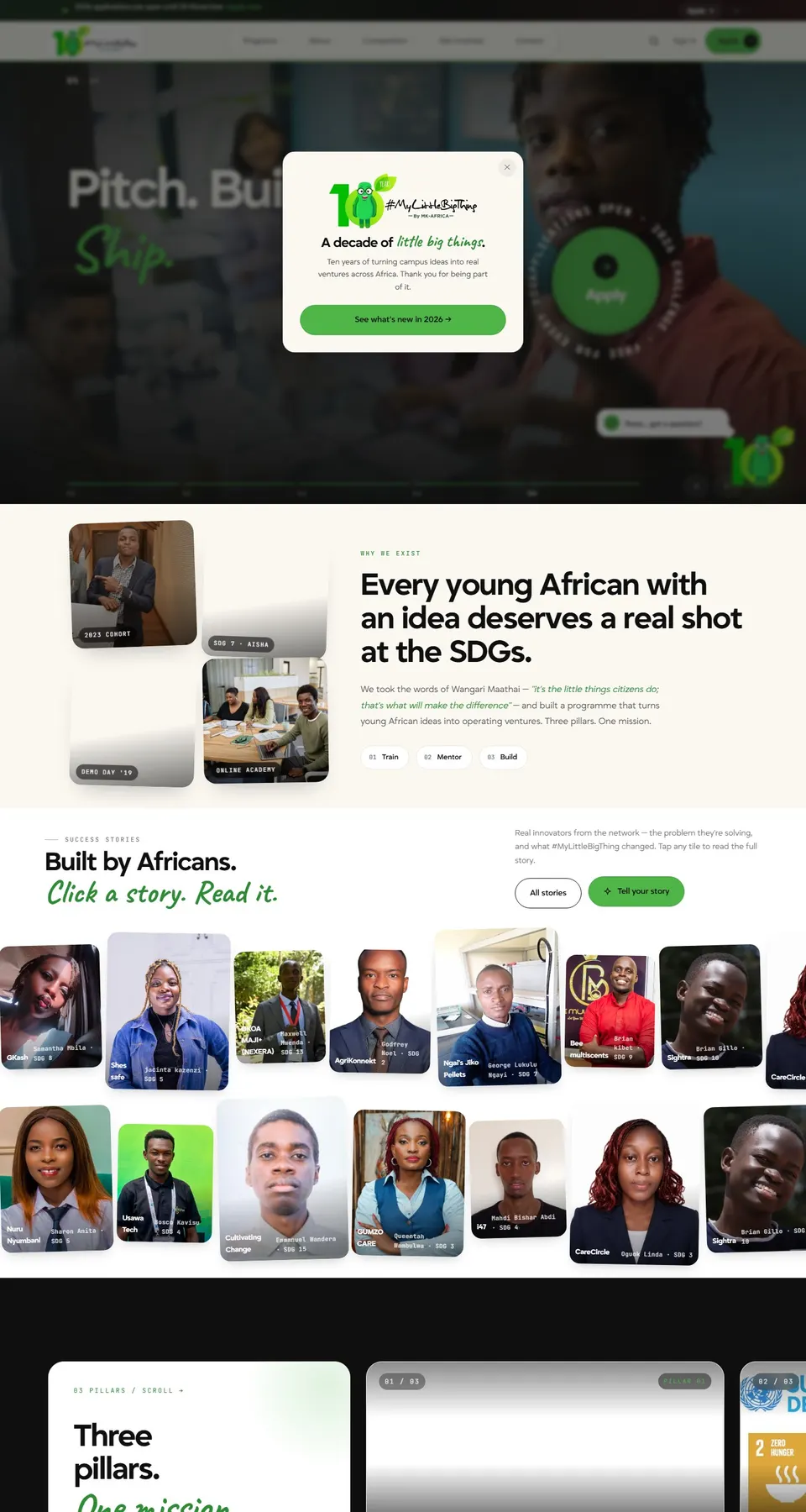 #MyLittleBigThingLearning platform
eLearning, mentorship and an SDG innovation challenge for African university students.
mylittlebigthing.com
#MyLittleBigThingLearning platform
eLearning, mentorship and an SDG innovation challenge for African university students.
mylittlebigthing.com
 Case study · NGO & Advocacy
The Youth Platform
Elevating regional advocacy through compelling storytelling and highly targeted digital distribution.
2.5M+Reach across East Africa120kSignatures collected in 30 days15Regional policies impacted
Read the case study
Case study · NGO & Advocacy
The Youth Platform
Elevating regional advocacy through compelling storytelling and highly targeted digital distribution.
2.5M+Reach across East Africa120kSignatures collected in 30 days15Regional policies impacted
Read the case study

227 features. 24 areas, one system.
Every feature in Pinch for NGOs, grouped by area. Pick an area, or search for the thing you need.
Projects & programmes
Every programme and project with its sites, partners, donors, team and timeline on one page.
- Programme and project structureProgrammes hold projects, projects hold sites and activities, so results roll up from a village to the country.
- Project profile pageGoal, dates, donors, budget, team, sites and documents on one page, with tabs for results, spend and risks.
- Sites and catchment areasKenyan counties, sub-counties and wards, Zambian districts and villages, set per project with GPS points.
- Implementing partnersPartner organisations per project, with their sub-grants, contacts, reporting dates and the areas they cover.
- Proposal and logframe documentsProposal, logframe, theory of change and agreements stored with the project and versioned when they change.
- Milestones and calendarStart-up, baseline, mid-term review and close-out dates with owners and reminders before each one.
- Risk registerRisks scored by likelihood and impact, each with an owner and a mitigation, reviewed every quarter.
- Programme dashboardReach, indicator progress, spend and open issues for every project, side by side on one screen.
- Cross-cutting tagsTag projects by theme, such as gender, climate or disability, and report across all of them at once.
- Close-out checklistFinal report, asset handover, file archive and partner sign-off ticked off before a project is closed.
- Country and field officesProjects grouped by country, region and field office, each office with its own approvers, users and reports.
- Compliance calendarAnnual returns, audits, tax exemption and work permit renewals per country, with the evidence filed against each.
Results & indicators
Your logframe in the system: outcomes, outputs and indicators, with targets against actuals as data comes in.
- Logframe builderGoal, outcomes, outputs and activities set up once per project, each linked to the indicators that measure it.
- Indicator reference sheetsDefinition, unit, data source, frequency, baseline and calculation method stored with every indicator.
- Targets by period and placeTargets set by quarter, year, county or district, and by sex and age group where the donor asks for it.
- Actuals straight from field dataApproved form submissions count towards the right indicator as soon as a supervisor approves them.
- DisaggregationResults split by sex, age band, disability, location and any other breakdown your donors need.
- Unique countingPeople reached are counted once per indicator and period, even when they attend several activities.
- On track, behind or at riskStatus worked out from progress against target and time elapsed, so problems show early.
- One indicator, several donorsOne indicator can feed several donor frameworks, each with its own wording and targets.
- Partner data submissionsPartners and field offices submit their figures each period on a set form; M&E validates, queries or returns each one.
- Action plans when at riskAn indicator marked at risk asks its owner for an action plan with steps and dates, reviewed at the next period.
- Data quality checksOutliers, missing values and figures far above target flagged for review before they reach a report.
- Evidence behind each figureAttendance sheets, photos and verification notes linked to each reported number, ready for an audit.
Activities & workplans
Annual and quarterly workplans broken into activities, with owners, budgets, dates and progress.
- Annual and quarterly workplansActivities planned per quarter from the logframe, with an owner, site, budget line and expected output.
- Timeline and calendar viewsSee the year as a timeline or the month as a calendar, filtered by project, county or officer.
- Activity reportsOfficers record what happened, who came and what it cost, with photos and attendance sheets attached.
- Planned against doneEach activity shows planned and actual dates, people reached and spend, so slippage is easy to see.
- Linked to indicatorsAttendance and outputs from an activity count straight into the indicators it was planned for.
- Linked to budget linesEvery activity draws on a budget line, so its cost shows up in the grant's burn rate.
- Activity advancesRequest a cash or M-Pesa advance for an activity, then account for it with receipts afterwards.
- Overdue alertsOwners and managers get a reminder when an activity passes its date without a report.
- Weekly team plansField teams see this week's activities on the app, and managers move them when plans change.
- Evidence before closingAn activity closes only when its report has the attendance sheet, photos and receipts attached and a manager approves it.
- Partner workplansPartners plan and report their own activities in the same workplan, so your programme staff see one picture.
Field data collection
Mobile forms that work offline, with GPS, photos and supervisor review before a record counts.
- Form builderBuild forms from your own data tools: skip logic, required fields, choice lists, repeat groups and calculations.
- Works offlineForms and visit lists are saved on the phone, and submissions sync when the signal returns.
- GPS, photos and signaturesLocation, photos, a signature or thumbprint for consent, and the time, captured with every visit.
- Lookups from the registerOfficers pick an existing household from the register instead of typing it again, so records link up.
- Checks on the phoneRanges, formats and ID numbers checked as the officer types, so obvious errors never leave the field.
- Supervisor review queueSubmissions wait for a supervisor to approve, return with a comment or reject before they count.
- Form versionsChange a form without breaking old data. Each submission keeps the version it was filled on.
- Visit assignmentsSupervisors assign households, schools or water points to officers, who see their list each morning.
- Sync monitorSee when each phone last synced, what is still waiting and which officer has not sent data for days.
- Forms in local languagesQuestions in English, Kiswahili, Nyanja, Bemba or any language you translate them into, switched on the phone.
- Runs on entry-level phonesWorks on the low-cost Android phones field teams already carry, on small data bundles.
- Data protected on the phoneRecords on the phone are encrypted and cleared after sync, and a lost phone can be signed out from the office.
Surveys & feedback
Baselines, endlines, assessments, SMS polls and community feedback, with samples and results in one place.
- Baseline, midline and endlineRun the same questionnaire at each stage and compare the results side by side for the evaluation.
- Sampling from the registerDraw a random sample of households by area, sex or programme, and assign it to enumerators.
- Enumerator managementEnumerators, their areas, daily quotas and completed interviews, with back-check calls on a share of them.
- Post-distribution monitoringFollow-up checks after cash or food distributions, linked to the household that received them.
- SMS and USSD pollsShort polls to beneficiaries or volunteers by SMS or USSD, for people without smartphones or data.
- Community feedback lineFeedback and complaints by SMS, phone or form, logged, assigned to a staff member and closed with a reply.
- Scores worked out for youFood consumption, dietary diversity and similar scores calculated from the answers as interviews arrive.
- Live resultsCharts and cross-tabs for every question, filtered by area, sex or age, while the survey is still in the field.
- Export for analysisClean data out to Excel, CSV, SPSS or Stata with a codebook, for your evaluator or researcher.
- Consent before the first questionThe consent script is read and recorded before the interview opens, and a refusal is logged and closes it.
- Findings back to communitiesShort summaries of results sent by SMS or shared at community meetings, so people see what their answers changed.
Beneficiaries & households
One record per person and household, with every service, visit and referral across all your projects.
- Household and individual recordsHouseholds with their members, ages, relationships and vulnerability details, each person with a unique ID.
- One register for every projectA person served by two projects has one record, so totals add up and services can be seen together.
- Duplicate checksPossible duplicates caught by Kenyan ID, Zambian NRC, phone and name before a new record is saved.
- Eligibility rulesCriteria per programme, such as age, income or vulnerability score, checked when someone is enrolled.
- Enrolment and exitEnrol people into programmes, record graduation or exit with a reason, and keep the full history.
- Service historyEvery visit, distribution, training and payment a person received, in date order on their profile.
- Consent recordsConsent for data, photos and stories recorded per person, with the date, method and who took it.
- Vulnerability scoringScores from household questions put the most vulnerable households at the top of visit lists.
- Cash transfer listsPayment lists drawn from enrolled households, approved, then paid by M-Pesa, Airtel Money or MTN MoMo.
- Household mapEnrolled households on a map by programme or status, from GPS points taken on visits.
- Cards with QR codesBeneficiary cards with a QR code; a scan at a distribution opens the record and logs what was handed over.
- Data protection requestsRequests to see, correct or delete personal data logged and answered, as the Kenyan and Zambian data laws require.
Cases & referrals
Case plans, follow-ups and referrals, with sensitive notes open only to the people who need them.
- Case intake and assessmentOpen a case from a visit or a hotline call, with an assessment form, a risk level and a case worker.
- Case plans and goalsGoals, actions and dates agreed with the client, reviewed at each follow-up until the case closes.
- Follow-up schedulingNext visit dates set per case, with reminders to the case worker and a list of what is overdue.
- Referrals to partnersRefer to a clinic, school, police gender desk or legal aid, and record whether the client was received.
- Referral directoryPartner services by area, with contacts, opening hours and who they accept, kept up to date.
- Restricted case filesSensitive cases, such as GBV or child protection, open only to named case workers and supervisors.
- Supervision and case reviewSupervisors review caseloads, sign off case plans and reassign cases when staff move on.
- Closure with a reasonCases closed as resolved, transferred or lost to follow-up, with the reason recorded.
- Caseload dashboardOpen cases per worker, overdue follow-ups and referral completion rate by area.
- Safeguarding reportsConcerns about staff or volunteer conduct reported online or by phone, seen only by the safeguarding lead, every step logged.
- Access log on every fileEvery view and change to a case file recorded with the user and the time, for supervisors and audits.
Grants & donors
Every grant from proposal to close-out: agreements, conditions, tranches, deadlines and donor contacts.
- Proposal pipelineConcept notes and proposals tracked from idea to submitted to awarded or declined, with values and dates.
- Grant agreementsAward amount, currency, period, conditions and reporting schedule recorded from the signed agreement.
- Tranches and receiptsExpected and received tranches per grant, with the exchange rate used when USD funds arrive.
- Donor profilesContacts, interests, history and every grant and report for each institutional donor.
- Deadlines and deliverablesReports, audits and deliverables per grant, with reminders to the owner 30, 14 and 7 days before.
- Donor rules per grantEach donor's rules on procurement, eligible costs and branding listed per grant and checked at approval.
- Sub-grants to partnersSub-awards to local partners with their budgets, advances, reports and accountability tracked.
- Amendments and extensionsChanged dates, budgets and targets saved as a new version, with the original kept.
- Co-funding and matchShared costs and match funding tracked across donors, so no cost is charged twice.
- Funding gap viewCommitted funding against the planned budget per programme and year, so fundraising targets are clear.
- Due diligence packRegistration, audited accounts, policies and board list kept current, so a donor's due diligence request takes minutes.
Budgets & burn rate
Grant budgets by line, every payment coded to them, and burn rate alerts before a donor spots a problem.
- Budgets in the donor's formatBudget lines, categories and notes set up exactly as in the signed budget, in the grant's currency.
- Payments coded to budget linesEvery payment voucher carries a grant, budget line, project and cost centre before it can be approved.
- Budget against actualSpend per line, per quarter and to date, with the variance in amount and percentage.
- Burn rateSpend compared with time elapsed, so fast and slow grants show up months before they close.
- Variance alertsLines that go over or under by more than the donor allows trigger an alert and ask for a note.
- Shared cost allocationRent, utilities and admin salaries split across grants by an agreed rule, posted every month.
- Multi-currency budgetsBudgets in USD, KES or ZMW, with spend converted at the tranche rate or monthly rate, as each donor asks.
- CommitmentsApproved purchase orders and advances shown as committed, so the available balance is what is really left.
- Reallocation requestsMoves between lines requested, approved and recorded, with the donor's approval letter attached.
- Accounting exportsCoded payments and journals exported to QuickBooks, Sage or Zoho Books with the grant codes intact.
- Cash forecastExpected tranches and planned spend by month, so the finance team sees a cash gap coming.
Donations & M-Pesa
Individual and company giving by M-Pesa, card and bank, with receipts sent at once and donors kept close.
- M-Pesa STK push and paybillDonors give from a campaign page or by paybill with an account code, and the gift lands on the right campaign.
- Card and bank givingCard payments through your chosen gateway, and bank transfers recorded against the donor.
- Monthly givingRecurring gifts with a reminder before each due date and a follow-up when a payment fails.
- Receipts by SMS and emailEvery gift gets an instant thank-you receipt, plus a yearly statement for donors who ask.
- Campaign pagesCampaign pages with a target, a live total and updates, each with its own paybill account code.
- Donor recordsEvery individual and company donor with gifts, pledges, notes, preferences and contact history.
- PledgesPledges made at events or by phone tracked until they are paid, with polite reminders.
- Company partners and matched givingCompany gifts, staff giving and matched amounts tracked per partner.
- Restricted and unrestricted fundsGifts marked for a campaign or project stay restricted, and the books show the split.
- Lapsed donor listsDonors who stopped giving listed for a call or SMS, with the date and size of their last gift.
Donor reports
Narrative and financial reports in each donor's template, filled from the same data so every number agrees.
- Templates per donorEach donor's narrative and financial template set up once, with its sections, tables and indicators.
- Tables filled from live dataResults, reach, disaggregation and spend tables filled from the system for the reporting period.
- Indicator tracking tableThe indicator performance tracking table most donors ask for, generated for any project and period.
- Sections with ownersNarrative sections assigned to programme staff, with due dates and a view of what is still missing.
- Review and sign-offDrafts move from writer to M&E to finance to the director, with comments at each step.
- Financial reports from the booksBudget against actual in the donor's format and currency, matching the ledger to the shilling.
- Stories and photos libraryCase stories and photos with consent, tagged by project, ready to drop into a report.
- Report calendarEvery report due across all donors on one calendar, with reminders to each section owner.
- Word, Excel and PDF exportFinal packs exported in the format each donor asks for, with your logo and their layout.
- Shared donor dashboardsGive a donor a live link to their project's reach and results instead of a monthly attachment.
- Submission archiveEvery submitted report kept with the date sent, the version and any donor feedback.
Procurement & approvals
Requests, quotes, purchase orders and payments, approved in the order your policy and donors require.
- Purchase requestsStaff raise a request against a project and budget line, and the system checks the money is there.
- Approval routes by amountRoutes set by value, grant and office, such as the manager up to KES 50,000 and the director above.
- Quotes and tendersQuotes compared side by side, with the threshold for three quotes or a tender set per donor rule.
- Supplier registerApproved suppliers with KRA PIN or Zambian TPIN, bank details, documents and past performance.
- Local purchase ordersLPOs created from the approved quote, emailed to the supplier and tracked to delivery.
- Goods received notesDeliveries checked against the LPO, with part deliveries and returns recorded.
- Payment vouchersVouchers raised from the GRN and invoice, coded to grant and budget line, then approved for payment.
- Approve from a phoneApprovers get an email or SMS link and approve, or return with a comment, from their phone.
- Conflict of interest declarationsCommittee members declare interests for each tender, kept with the procurement file.
- One file per purchaseRequest, quotes, minutes, LPO, GRN and voucher kept together for auditors.
Assets & vehicles
Every asset bought with donor money, where it is and who holds it, plus vehicle trips, fuel and servicing.
- Asset register by grantEach asset tagged with the grant that bought it, its cost, date, location and custodian.
- Tags and QR codesPrint asset tags with QR codes and check items with a phone during a spot count.
- Issue and returnLaptops, phones and tablets issued to staff with a signed handover, and returned when they leave.
- Vehicle logbookTrips with driver, purpose, project and mileage, so transport costs go to the right grant.
- Fuel recordsFuel per vehicle and motorbike, with cost per kilometre and unusual use flagged.
- Service and insurance remindersServices by mileage or date, plus insurance and inspection renewals, with reminders to the fleet officer.
- DepreciationMonthly depreciation by asset class, posted to the books and shown per grant.
- Disposal and handoverAssets handed to partners or the community at close-out, with the donor's approval kept.
- Annual asset countYearly count by office, with missing or damaged items reported and followed up.
Events & trainings
Workshops, trainings and community events with registration, attendance, per diems and certificates.
- Event setupDates, venue, facilitators, budget line and the indicators the event counts towards.
- Online registrationRegistration links, with fees where needed, shared by SMS, email or WhatsApp.
- Check-in by QR or registerCheck people in by QR code at the door, or tick a printed register that is entered later.
- Attendance counted to indicatorsEach participant counts once towards the right indicator, split by sex and age.
- Per diems and transport refundsAllowances worked out per participant and paid by M-Pesa in one batch, with signed lists.
- Pre and post testsKnowledge tests before and after a training, with scores per participant and the average gain.
- CertificatesCertificates generated with each participant's name and sent by email or SMS link.
- Session evaluationsShort feedback forms after each session, summarised for the facilitator and the report.
- Logistics checklistVenue booking, meals, materials and travel tracked against the event budget.
Staff, leave & payroll
Staff records, contracts, leave, timesheets and payroll, with time charged to the grants that pay for it.
- Staff records and contractsPersonal details, contracts, job descriptions and documents, with reminders before a contract ends.
- Leave requests and balancesAnnual, sick, maternity and compassionate leave requested on a phone and approved by the line manager.
- Timesheets by grantStaff record time per project each month, so salaries are charged to grants the way donors require.
- Salary split across grantsEach salary split across grants by agreed percentages, adjusted from approved timesheets.
- Kenyan payrollPAYE, SHIF, NSSF and Housing Levy worked out every month, with payslips and bank or M-Pesa payment files.
- Zambian payrollPAYE, NAPSA and NHIMA deductions for Lusaka and Chipata staff, paid in ZMW.
- Payslips and P9 formsPayslips by email or self-service, and year-end P9 forms for staff in Kenya.
- Probation and appraisalsProbation reviews, annual appraisals and objectives, with reminders to managers.
- Staff self-serviceStaff see their payslips, leave balance and documents, and send changes to their details for approval.
- Travel and per diem claimsTravel requests, per diem rates by location and claims paid after approval.
- Safeguarding sign-offStaff sign the safeguarding code and key policies each year, and the system shows who has not.
Volunteers & members
Volunteers, community health promoters and members, with skills, hours, stipends, dues and chapters.
- Volunteer profilesSkills, languages, areas, availability, training history and documents for every volunteer.
- Recruitment and vettingApplications, interviews, references and police clearance tracked before anyone starts.
- RostersVolunteers assigned to activities and sites, with an SMS reminder the day before.
- Hours loggedHours logged by volunteers on their phones or by supervisors, and reported as in-kind support.
- Stipends by M-PesaMonthly stipends for community volunteers worked out from their activity and paid in one M-Pesa batch.
- Membership and duesMembers, membership types and annual dues paid by M-Pesa, with renewal reminders.
- Chapters and networksRegional chapters with their own leaders, members and activities, rolled up to the national view.
- Group messagesSMS, email or WhatsApp to any group: a chapter, a skill, a site or everyone with dues unpaid.
- Service certificatesCertificates and recognition for volunteers who reach an hours milestone.
Field app & offline use
A phone app for field teams that keeps working where the signal does not.
- Android field appVisit lists, forms, register lookups and sync status in one app for field officers.
- Full offline modeOfficers work for days without signal; records queue on the phone and sync in order when back online.
- Edit conflicts handledIf two people change the same record offline, the supervisor sees both versions and keeps the right one.
- Encrypted on the phoneData stored on the phone is encrypted, and can be wiped remotely if a phone is lost.
- Low data useOnly changes are sent and photos are compressed, so a small bundle covers a week of visits.
- Shared phonesSeveral officers can use one phone, each with their own login and their own forms.
- Offline mapsHousehold points and routes saved on the phone for areas with no signal.
Notifications & SMS
Messages to the people you serve, your volunteers and your staff, on the channels they use.
- Bulk SMSMessages to beneficiaries, volunteers or donors by group, area or programme, under a sender ID in your name.
- Appointment remindersSMS reminders to clients before a clinic date, a distribution or a training.
- USSD menusShort USSD menus for feedback, registration or polls, for people on basic phones.
- WhatsApp messagesTemplate messages and receipts on WhatsApp where your audience prefers it.
- Staff alertsEmail and in-app alerts for approvals, overdue activities, reports due and indicators at risk.
- Message logEvery SMS and email logged with delivery status and cost, per project, so it can be charged to a grant.
- Opt-outsPeople who reply STOP are taken off bulk lists automatically.
Roles & audit
Each person sees only what their job needs, and every change leaves a record.
- Roles by jobField officer, supervisor, M&E, finance, programme manager, director and donor viewer, each with set rights.
- Access by project and countryStaff see only the projects, offices and countries they work on.
- Restricted fieldsNames, phone numbers, health status and case notes hidden from roles that do not need them.
- Full audit trailEvery view, change, approval and export logged with who, when and what changed.
- Two-step loginOne-time codes by SMS or an authenticator app for staff who can see sensitive data.
- Approval limitsSpending and approval limits set per role and office, and enforced by the system.
- Export controlsDownloads of personal data limited to named roles and logged with the reason given.
Reports & dashboards
The same numbers for managers, the board and donors, without rebuilding them in Excel.
- Management dashboardReach, results, spend and risks across all projects and both countries on one screen.
- MapsReach, services and results by county, district or ward on a map.
- Report builderPick fields, filters and groupings to build your own report, then save it for the team.
- Scheduled reportsWeekly and monthly reports emailed to managers and the board on a set day.
- Board packA quarterly pack of results, finance and risks, ready for the board meeting.
- Excel and PDF exportAny table or report exported to Excel, CSV or PDF in one click.
- Trends over timeAny indicator or spend line charted by month, quarter or year since the project started.
Integrations
Connections to the payment, data and office tools NGOs in Kenya and Zambia already use.
- M-PesaSTK push and paybill for donations and dues, and B2C for stipends, per diems and cash transfers.
- Airtel Money and MTN MoMoMobile money collections and payouts for programmes in Zambia.
- KoBoToolbox and ODKExisting KoBo or ODK forms connected, so their submissions arrive in the register and the indicators.
- Power BI and ExcelA read-only data feed for analysts who build their own dashboards in Power BI or Excel.
- Email and calendarsMicrosoft 365 or Google Workspace for email alerts, and calendar invites for events and deadlines.
- Accounting softwareCoded transactions sent to QuickBooks, Sage or Zoho Books, so finance keeps the package it knows.
- DHIS2 exportsHealth indicators exported in the layout county and district health teams load into DHIS2.
- API and webhooksA documented API and outbound webhooks for partners and the other systems you run.
Data protection & consent
Personal data handled the way the Data Protection Act 2019 expects, and the same care in Zambia.
- Consent at registrationConsent read out and recorded on the phone, in the person's language, with the date and the officer.
- Collect only what is neededForms ask only what an indicator or service needs, and sensitive questions are marked as such.
- Data subject requestsRequests to see, correct or delete personal data logged and answered within the legal time.
- Retention rulesRecords anonymised or deleted when a project's retention period ends, with a log of what was removed.
- Anonymised datasetsData for evaluators and researchers with names, phone numbers and ID numbers removed or coded.
- Encryption and daily backupsData encrypted in transit and at rest, and backed up every day to a separate location.
- Breach logIncidents recorded with what happened, who was affected and the steps taken, ready for the ODPC if needed.
Data import & setup
Your registers, results and budgets moved in and checked, so the system starts with your history.
- Beneficiary importRegisters from Excel or an old system imported, with duplicates found and merged before go-live.
- Past results importEarlier quarters' indicator results loaded, so trends start from the project's first year.
- Budget importDonor budgets imported line by line from the Excel budget template.
- Location listsKenyan counties, sub-counties and wards, and Zambian provinces and districts, loaded and ready.
- Form conversionYour paper tools and XLSForms turned into app forms and tested with your field team.
- Settings without codeProgrammes, indicators, approval routes and lists changed by your admin, not a developer.
Multi-country & currency
Kenyan and Zambian programmes in one system, each run the way its country office works.
- Country officesKenya and Zambia offices with their own staff, partners, approval routes and bank accounts.
- KES, ZMW and USDThree currencies side by side, with exchange rates kept per day or per tranche.
- One consolidated viewReach, results and spend for the whole organisation in one currency for the board.
- Local payroll rulesKenyan and Zambian statutory deductions and tax tables applied per country.
- Local tax numbersKRA PIN and Zambian TPIN on suppliers and staff, with supplier eTIMS invoice numbers kept in Kenya.
- Time zones and holidaysEach office's time zone and public holidays used for leave, deadlines and activity dates.
No feature matches that search. Ask us, we probably build it.
And the marketing to grow support.
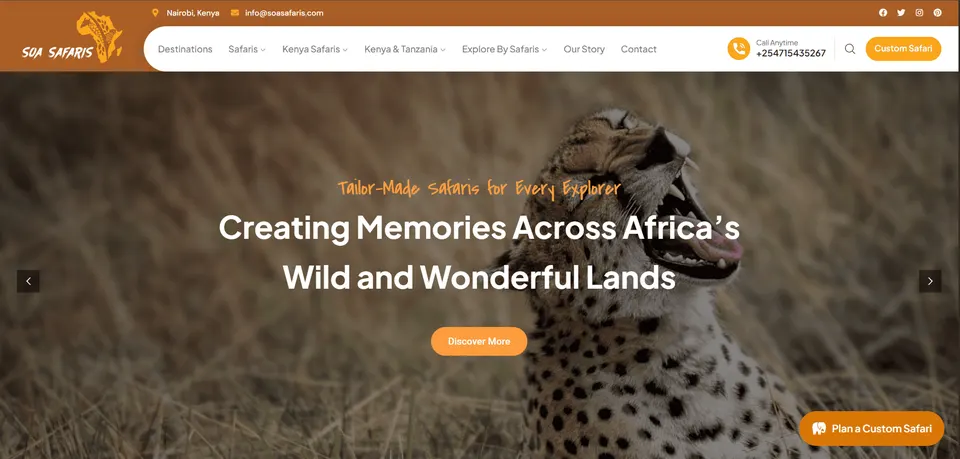 Website DevelopmentA website that tells your story, takes donations and shows the results donors ask for.
 Digital MarketingCampaigns that grow monthly givers and fill trainings, measured in sign-ups, not likes.
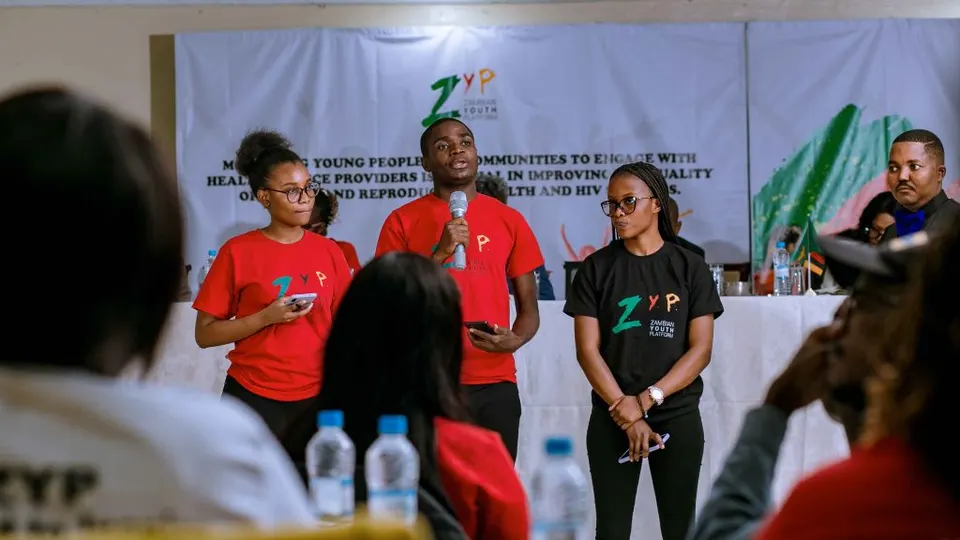 VideographyField stories filmed with consent, for donor reports, appeals and social media.
Live in 21 working days.
A fixed plan you can hold us to: what happens on which working day, from the first walk-through to the day your team goes live.
We map your results framework, data tools and donor reports, and agree which modules go first.
Working screens to test every few days, tested by your M&E team and a few field officers.
Beneficiaries, grants, budgets and past results imported, de-duplicated and checked with you.
Field teams trained where they work, managers in the office. We stay close through the first donor report.
Before you ask.
What is Pinch for NGOs?
An NGO management system built by Pinch Africa for programmes in Kenya and Zambia: projects, M&E indicators, offline field data, beneficiaries, cases, grants, budgets, donors and donor reports in one system.
How long does it take to get our organisation live?
21 working days, from the first walk-through to go-live. Days 1 to 3 we map how you work, days 4 to 15 we build and you test, days 16 to 18 we move your data, and days 19 to 21 we train your team and switch on.
Does the field app work without signal?
Yes. Forms are saved on the phone and sync when the officer is back in range. Supervisors can see what is still waiting, so nothing is lost or counted twice.
Can it produce reports in each donor's format?
Yes. We set up a report pack for each donor from their own template, filled from the same data, so the numbers in every report agree with each other.
How do you handle sensitive beneficiary data?
Consent is recorded with each record, sensitive fields are visible only to the roles that need them, and every view and change is logged, in line with the Data Protection Act 2019.
Do you work with programmes in Zambia?
Yes. We have a studio in Lusaka, and one system can run Kenyan and Zambian programmes side by side, with budgets and reports in KES and ZMW.
What does it cost?
It depends on the modules and the number of users. After a free scoping call you get a fixed-scope proposal in writing, so you can put the cost into a grant budget before we start.
Let's map your programmes.
A free scoping call, then a fixed-scope proposal in writing.